If you need leads in the next 6 to 12 months, don’t choose between AEO budget and SEO budget as though they’re rivals. Put most of your money into SEO if your site still struggles to rank in normal search results, because that’s still the main way people find local and service businesses. Shift more budget into AEO, answer engine optimisation for AI assistants, when your basics are already strong and you want your business to be cited in ChatGPT, Google’s AI answer box, Copilot and Perplexity. For most small and mid-sized businesses, SEO should fund the base and AEO should fund the growth opportunity.
Budget decisions are really about risk and return. You want the channel that brings the most qualified demand for the least waste. SEO and AEO can both do that, but they work at different stages.
SEO helps your business appear in normal search results. AEO helps your business appear inside AI assistants and AI-generated answers. In practice, AEO usually works best when built on top of a healthy SEO base, not instead of it.
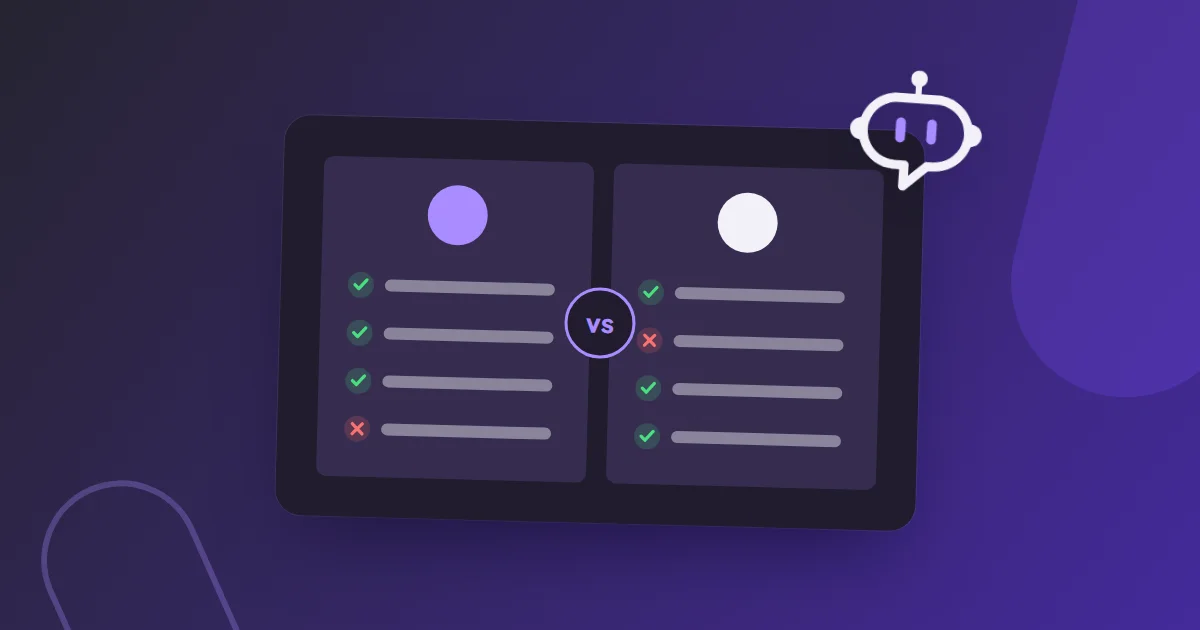
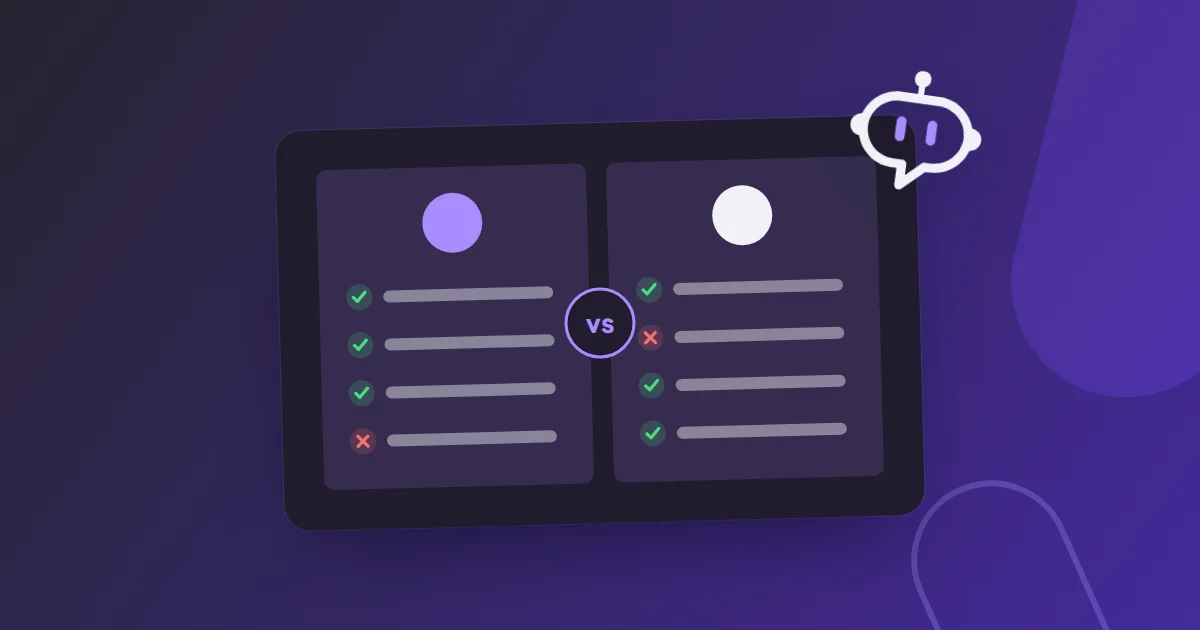
AEO budget vs SEO budget, quick comparison
| Dimension | AEO budget | SEO budget | Verdict |
|---|---|---|---|
| Short-term lead potential | Useful if your brand is already trusted and cited | Usually stronger for direct demand capture | SEO wins |
| Future visibility in AI assistants | Built for this goal | Helps, but does not guarantee AI citations | AEO wins |
| Measurement | Improving, but still incomplete | More mature and easier to track | SEO wins |
| Local business impact | Helpful for comparisons and recommendations | Critical for maps, local search and service pages | SEO wins for most local firms |
| Brand authority | Strong when buyers ask AI assistants who to choose | Strong when buyers are still searching widely | Draw |
| Risk of underinvesting | You miss future AI visibility | You weaken your whole search base | Do not neglect SEO |
1. Demand capture, who wins when someone is ready to buy
Verdict: SEO.
If someone searches for your service today, standard search results still matter most. Your service pages, local pages and comparison pages often do the heavy lifting. If those pages are weak, an AEO budget won’t rescue the pipeline.
Google’s Search Console added a Generative AI performance report worldwide on 31 August 2026. It shows impressions inside AI Overviews and AI Mode by page, country, date and device. It does not show clicks or queries, and it does not separate the two features, according to Google Search Console, 31 August 2026. That means AI visibility is now measurable, but still less complete than standard search reporting.
For a business leader, the practical point is simple. If you need demand now, you still need strong normal search visibility.
2. Future-proofing, who wins for AI assistants
Verdict: AEO.
If your buyers are starting to ask AI assistants for recommendations, summaries or comparisons, AEO deserves a real line in your budget. This is especially true in B2B, professional services, software, healthcare, education and considered local services.
OpenAI changed ChatGPT search on 4 September 2026 so it runs on its own index, called Labrador, with search-result scraping as a fallback and Bing used mainly in Deep Research. That means being visible in Bing does not automatically mean being visible in ChatGPT, according to OpenAI reporting summarised in HelloWorld’s methodology review, 24 October 2026.
The business takeaway is important. SEO alone is no longer enough if your goal is to be cited by AI assistants. You need pages that answer real questions clearly, honest comparison content, pricing pages, alternatives pages, strong author pages and credible mentions in the places AI assistants use.
3. Measurement, which budget is easier to justify
Verdict: SEO, for now.
Most boards and owners want numbers they can trust. SEO still gives you clearer reporting. You can track rankings, clicks, enquiries and page performance with fewer gaps.
AEO measurement is improving fast. Bing Webmaster Tools launched its AI Performance report in public preview on 1 February 2026. It includes total citations, average cited pages, grounding queries and page-level citations. Query-to-page mapping was added on 23 March 2026, according to Bing Webmaster Tools, 2026. Bing also added Topics Portfolio in beta on 13 October 2026. It shows the grounding queries where competitors are cited and you are not. That is the first first-party AI citation gap report, according to Bing Webmaster Tools, 13 October 2026.
GA4 also added a default AI Assistant channel on 13 May 2026 for referrals from ChatGPT, Gemini, DeepSeek, Copilot and Grok. Google states this excludes Google AI Overviews and AI Mode, is not retroactive, and does not include every assistant on the published list, according to Google Analytics 4, 13 May 2026.
So yes, you can measure AEO. But the picture is still partial. If your finance team wants clean attribution, SEO is easier to defend.
4. Local business value, where small firms should be careful
Verdict: SEO for most local businesses.
If you run a clinic, trades business, legal practice, restaurant or shop, local search basics still deserve the larger share of budget. You need to be easy to find in maps, local packs and service searches. You also need accurate business profiles and strong local pages.
AEO still matters here. AI assistants often summarise local options. They compare reviews, services, price signals and business details. But if your local search base is weak, your AI visibility usually stays weak too.
For local firms, AEO is best treated as an extension of good digital housekeeping. It should not replace the work that helps people find your business directly.
5. Content investment, what each budget actually buys
Verdict: Draw, if done properly.
A good SEO budget buys pages that target real demand. Think service pages, location pages, buying guides and useful articles.
A good AEO budget buys answer-first content that AI assistants can cite with confidence. Think comparison pages, pricing pages, alternatives pages, clear question-and-answer sections, named authors and sourced claims.
Google’s own guidance says rewriting copy “for AI” is unnecessary, and that content chunking is not required because its systems understand multi-topic pages, according to Google’s generative AI optimisation guidance, cited in HelloWorld’s methodology review, 24 October 2026. So the goal isn’t robotic copy. The goal is clearer, more trustworthy content.
Which should you choose
Choose SEO first if most of these are true:
- Your site gets little search traffic.
- Your service pages are thin or outdated.
- You rely on local customers.
- You need leads this quarter.
- You have not yet built strong pages for core services, locations or buyer questions.
Choose AEO as a growing budget line if most of these are true:
- Your search basics already work reasonably well.
- Your buyers research options in detail before contacting you.
- You want to be recommended inside AI assistants.
- You compete in a category where comparisons, pricing and trust matter.
- You already have content, but it is not being cited.
For many businesses, the right split is staged:
- Stage 1: fix the search base.
- Stage 2: add high-trust answer content.
- Stage 3: track AI citations and expand what gets quoted.
If you want a rule of thumb, put the larger share into SEO until your core pages, local presence and search visibility are in good shape. Then increase AEO budget to win citations, comparisons and recommendation-style visibility.
Common budget mistakes
- Cutting SEO too early because AI feels newer.
- Treating AEO as a technical trick instead of a content and authority job.
- Measuring only traffic, and ignoring citations and assisted conversions.
- Publishing vague thought leadership when buyers really need pricing, alternatives and direct answers.
FAQ
Is AEO replacing SEO?
No. AEO is adding a new visibility layer. SEO still supports the pages, trust signals and discoverability that many AI assistants rely on.
Should a small business spend on AEO at all?
Yes, but usually after the basics are covered. A small business should not ignore AI assistants, but it should not sacrifice core search visibility to chase them.
Can I measure return from AEO?
Partly. You can track AI assistant referrals in GA4’s AI Assistant channel, page-level AI impressions in Google Search Console, and citation data in Bing Webmaster Tools. Each source has limits, so use them together.
What is the safest budget split?
The safest split is the one that protects your search base first. If your normal search performance is weak, keep the majority in SEO. If your base is solid, increase AEO to grow AI visibility without starving SEO.
If you want a practical recommendation for your business, book an audit. We will show you what to fix first, what to keep funding, and where AI visibility is already within reach.